
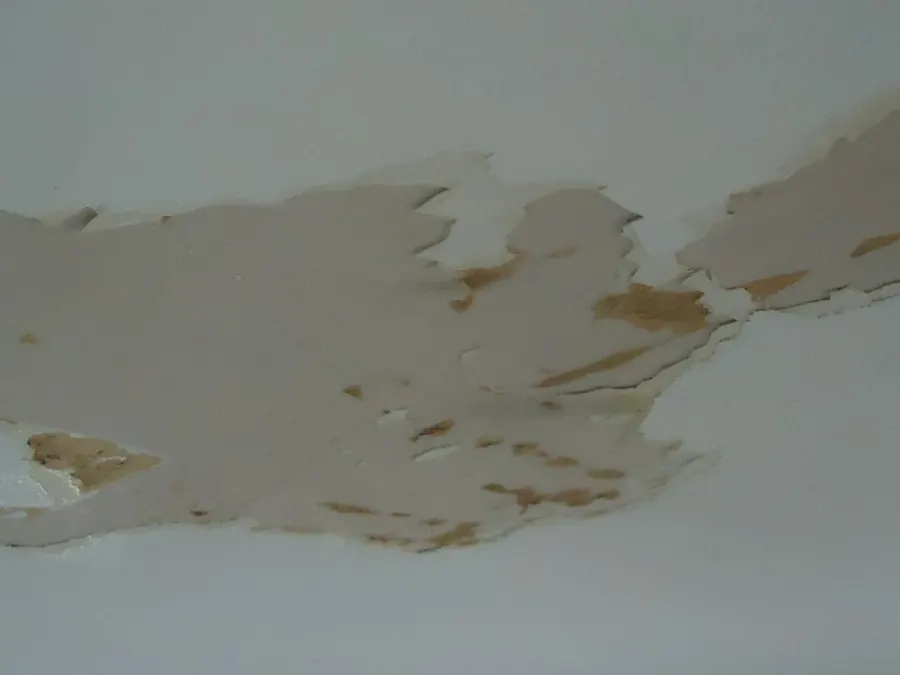
Do not stand beneath unstable materials
A bulging ceiling, active dripping near fixtures or damaged electrical equipment is a reason to keep clear. Share observations already available safely. Do not puncture a ceiling or touch a fixture to investigate.
Describe the path without diagnosing it
Say which floor and rooms are involved, when the condition appeared and whether an upstairs fixture or roof event coincided. Photographs taken safely may help explain location, but cannot establish the source or hidden moisture.
Request a clear repair boundary
Ask whether the proposal includes source investigation, moisture assessment, selective removal, drying and replacement finishes. A paint-only scope is different from an assessment of wet assemblies. Keep changes and authorization responsibilities in writing.
Cost and timing factors
Assessment, safe access, opening wall or ceiling cavities, protection of belongings and the amount of damaged material affect the price. An unresolved leak, electrical or structural restrictions, concealed wet insulation and drying checks can delay the repair handoff. Separate source repair, removal, drying and replacement finishes in the estimate; ask what evidence must be available before the ceiling or wall is closed.
Related water-recovery work
Prepare the next step
Use the water-recovery call planner to keep your observations and questions organized.
- Entry permissionResponsible authority sets access limits.
- AssessmentBusiness records rooms, materials and work limits.
- Written scopeYou clarify charges, exclusions and approvals.
- Completion recordsKeep findings before the rebuilding handoff.