
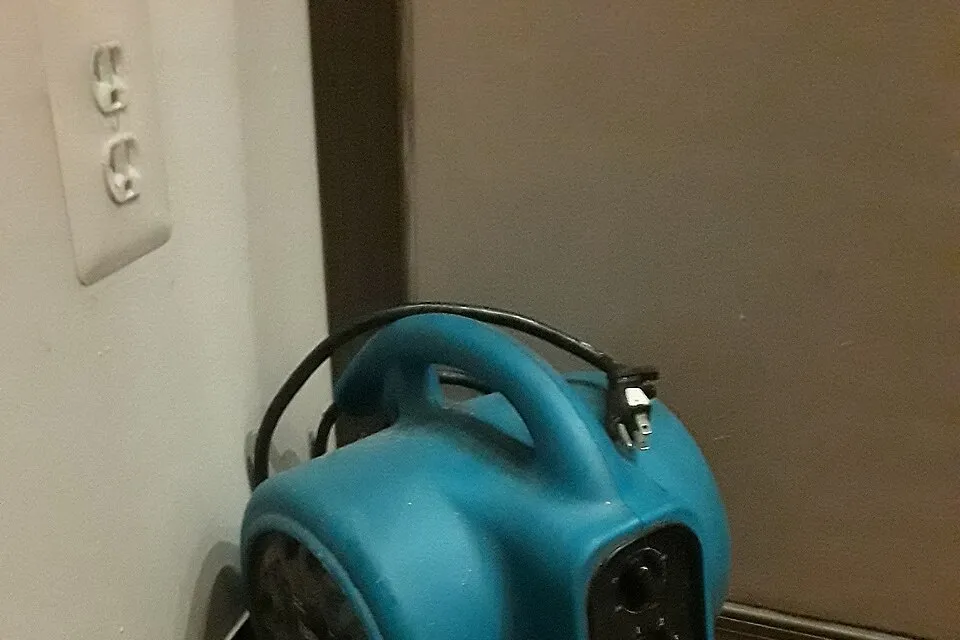
Define the materials being assessed
Wet baseboards, flooring and wall cavities can behave differently. Ask which materials can be inspected safely and which findings would change the proposed scope. Do not open a wall or run equipment in an unsafe area to prepare for a call.
Compare the monitoring plan
A useful written proposal explains equipment placement, access needs, monitoring and how completion is determined. Ask which readings are recorded, who evaluates progress and how additional visits or changed conditions affect the agreement.
Keep drying and rebuilding separate
Confirm who repairs the original leak and who replaces removed finishes. Ask what completion evidence is supplied before the assembly is covered. If work alters a regulated building or plumbing system, ask the responsible business to confirm local permit and inspection requirements.
Cost and timing factors
Drying charges depend on the affected area, material layers, equipment type and quantity, monitoring visits and any approved material removal. Completion time depends on recorded moisture trends, temperature and humidity, access to concealed spaces and whether the water source has stopped. A fixed number of equipment days does not establish dryness. Ask which measurements allow equipment removal and how extra monitoring or equipment days are approved.
Related water-recovery work
Prepare the next step
Use the water-recovery call planner to keep your observations and questions organized.
- Entry permissionResponsible authority sets access limits.
- AssessmentBusiness records rooms, materials and work limits.
- Written scopeYou clarify charges, exclusions and approvals.
- Completion recordsKeep findings before the rebuilding handoff.