
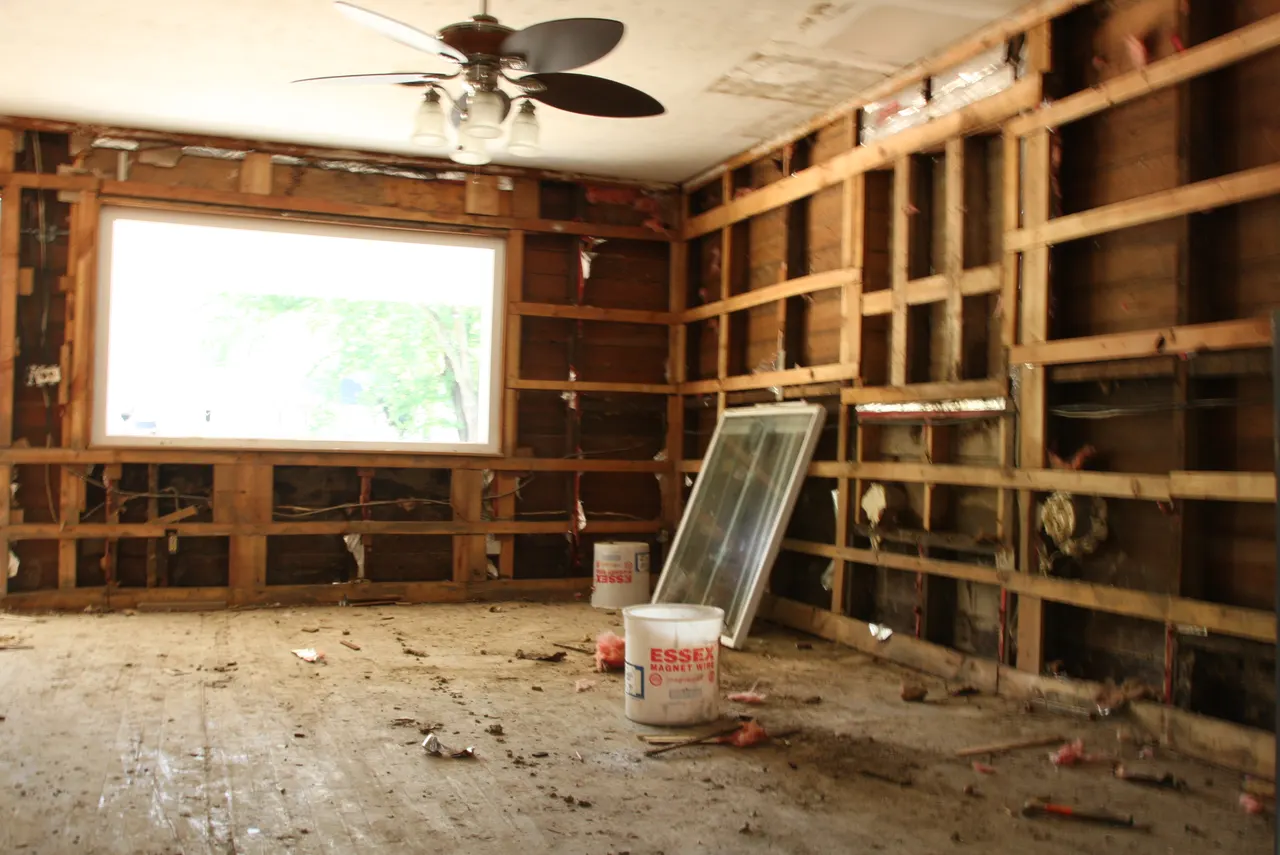
Wait for safe entry
Avoid entering floodwater or a building with unsafe electricity or structural damage. Follow public safety directions. A restoration inquiry does not replace an emergency response or official clearance to enter.
Explain where water entered
Describe whether water crossed a threshold, entered a lower level or arrived through drainage. Give the address and affected rooms. Ask whether the business accepts the observed water condition, contents needs and location; a website listing is not a dispatch promise.
Separate cleanup from the cause
Ask for the scope of removal, cleaning, materials decisions and drying. Drainage, source repairs and reconstruction may need separate agreements. Document damaged items safely and ask your insurer what records it needs without assuming coverage or claim approval.
Cost and timing factors
Flood-cleanup costs depend on water condition, sediment and debris, affected materials, contents handling, disposal and any required containment. Safe entry, continuing outdoor water, utility clearance, contamination decisions and access for removal equipment influence when work can start and finish. Ask for separate cleanup, drying and rebuilding milestones rather than a single promised completion date.
Related water-recovery work
Prepare the next step
Use the water-recovery call planner to keep your observations and questions organized.
- Entry permissionResponsible authority sets access limits.
- AssessmentBusiness records rooms, materials and work limits.
- Written scopeYou clarify charges, exclusions and approvals.
- Completion recordsKeep findings before the rebuilding handoff.