
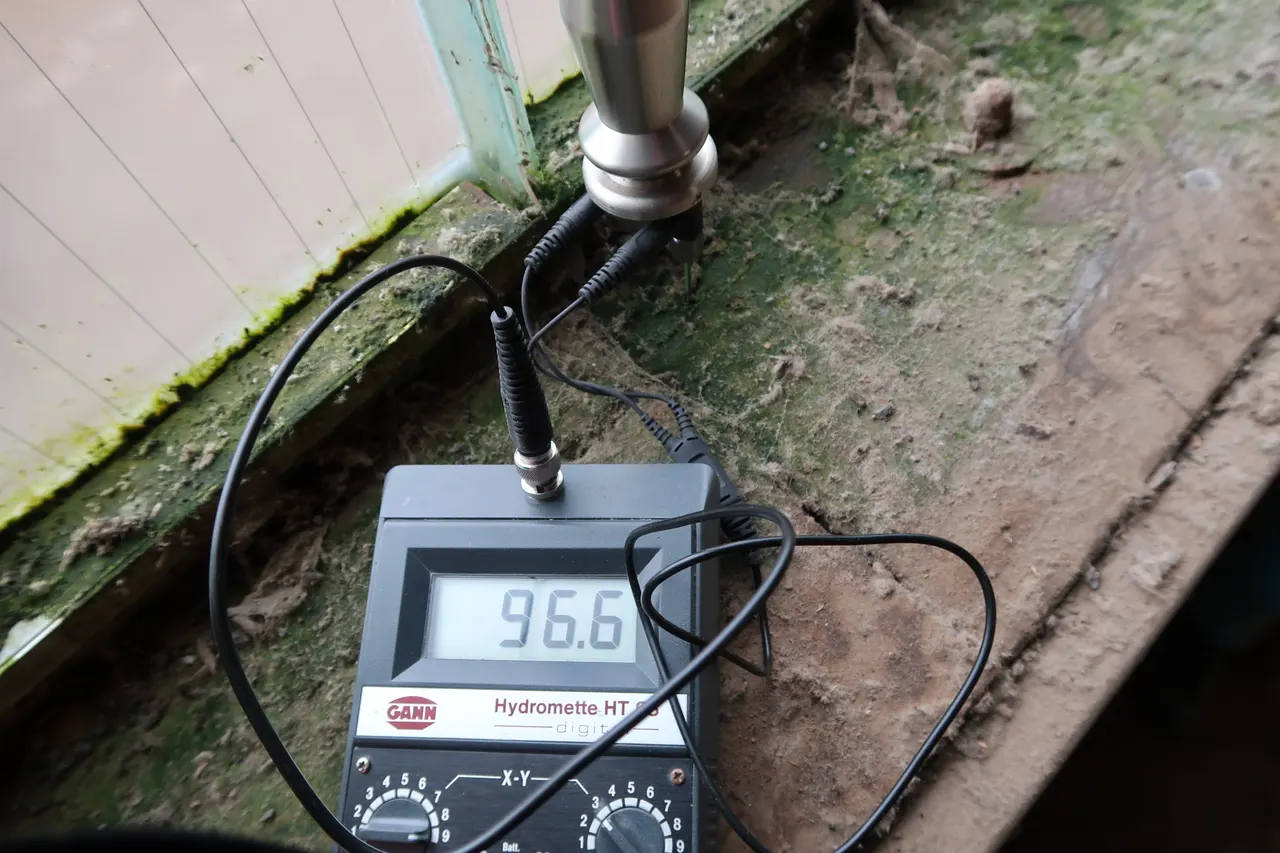
Describe the moisture history
Tell the business what you observed safely, whether the area has been wet before and whether the source remains unresolved. Appearance or odor alone does not establish the type, extent or health significance of growth.
Ask what assessment is proposed
Clarify whether testing is recommended, what it would answer, who performs it and what charges apply. Do not assume that a water-removal agreement includes testing or remediation. Avoid disturbing suspect materials to prepare photographs or samples.
Get a defined remediation scope
Ask which materials are included, how affected areas and contents will be managed, and how completion is documented. Confirm who resolves the moisture source and whether independent evaluation is appropriate. Do not accept a guarantee that future growth is impossible.
Cost and timing factors
The extent and location of affected material, access, containment, removal and disposal affect remediation costs; assessment or independent verification may be separately scoped. Resolving the moisture source, reaching concealed areas, approving removal and any agreed verification steps influence duration. Ask the business to identify the work boundary, the conditions for finishing and who authorizes rebuilding; appearance alone does not establish a completed moisture correction.
Related water-recovery work
Prepare the next step
Use the water-recovery call planner to keep your observations and questions organized.
- Entry permissionResponsible authority sets access limits.
- AssessmentBusiness records rooms, materials and work limits.
- Written scopeYou clarify charges, exclusions and approvals.
- Completion recordsKeep findings before the rebuilding handoff.